
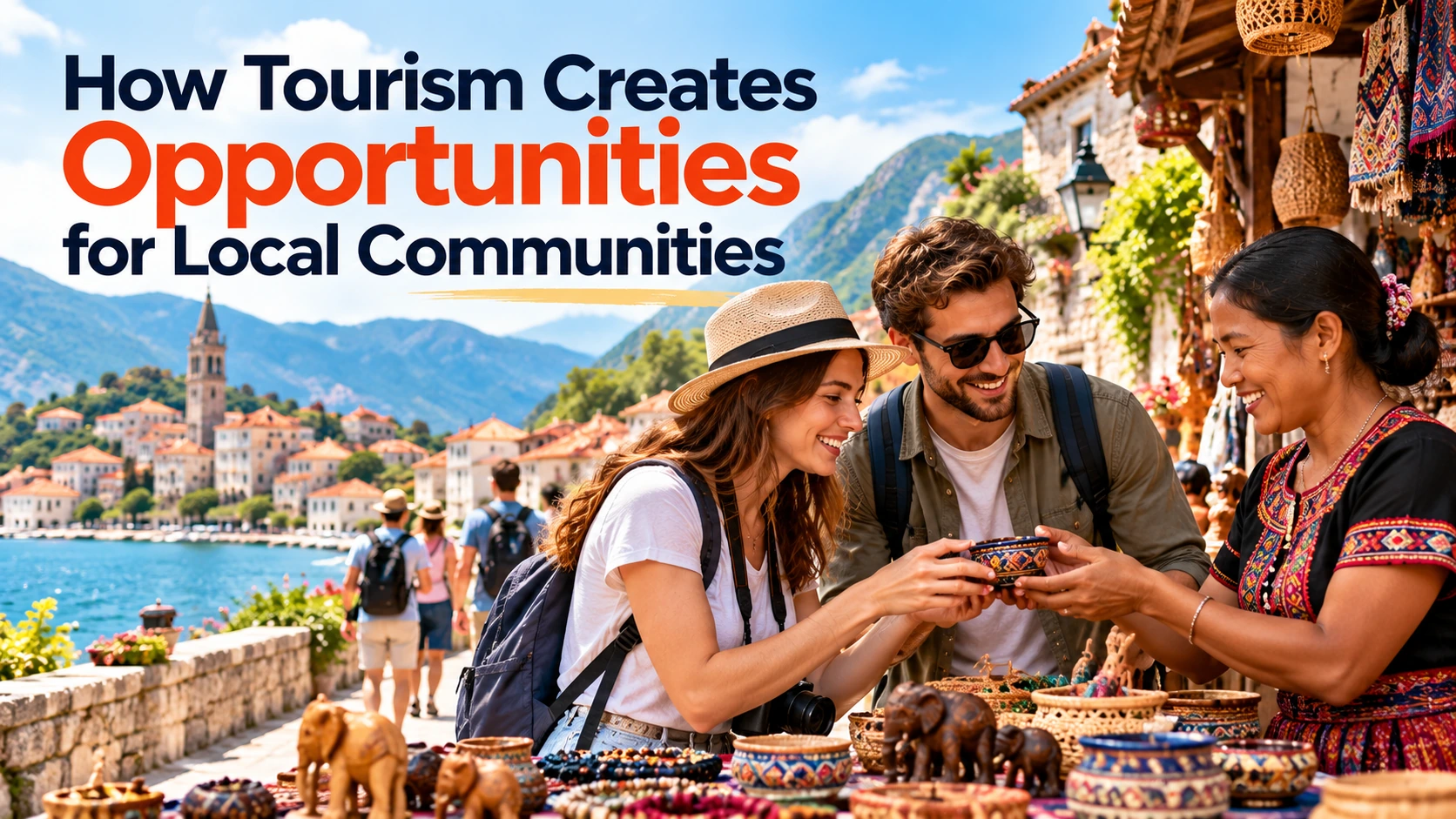
Tourism is often associated with famous landmarks, hotels, beaches, museums, and popular attractions. However, its impact can extend far beyond the places visitors come to see. When tourism develops responsibly, it can create employment, support small businesses, encourage cultural preservation, improve infrastructure, and provide local communities with new opportunities to participate in the economy.
Creating Local Employment
One of the most direct ways tourism supports communities is through employment. Hotels, restaurants, travel agencies, transportation companies, museums, tour operators, and entertainment businesses all require workers.
Tourism can create opportunities for people with different skills and educational backgrounds. Jobs may include hospitality staff, drivers, cooks, guides, maintenance workers, photographers, event organizers, and administrative employees.
Seasonal tourism can also provide temporary employment opportunities during periods when visitor numbers are highest.
Supporting Small Businesses
Visitors spend money on more than accommodation. They may purchase meals, clothing, handicrafts, souvenirs, transportation services, activities, and locally produced products.
This creates opportunities for small businesses and independent entrepreneurs. A local baker, artisan, restaurant owner, taxi operator, or shopkeeper may benefit from increased demand generated by visitors.
Tourism can therefore help diversify local sources of income rather than relying entirely on one industry.
Encouraging Local Entrepreneurship
Tourism can inspire residents to develop businesses based on the resources and characteristics of their communities.
For example, someone living near a natural attraction might offer guided walks or outdoor activities. A person with knowledge of local history might develop cultural tours. Skilled craftspeople may sell traditional products to visitors.
These businesses can allow residents to turn local knowledge, skills, and resources into economic opportunities.
Promoting Local Culture
Tourism can increase interest in traditional music, dance, food, clothing, crafts, festivals, and storytelling.
When visitors show interest in cultural traditions, local communities may have additional reasons and resources to preserve them. Traditional skills can be passed from older generations to younger people through workshops, performances, and local businesses.
Cultural tourism can therefore provide both economic and educational value when traditions are presented respectfully.
Creating Markets for Local Products
Tourists often look for products that represent the places they visit. Handmade crafts, regional foods, artwork, textiles, spices, decorations, and other locally produced goods can become important parts of the visitor experience.
This can provide artisans and producers with access to new customers.
For local producers, tourism may also create opportunities to develop products specifically suited to visitors while continuing to use traditional techniques and materials.
Improving Infrastructure
Growing tourism can encourage investment in infrastructure such as roads, public transportation, sanitation, communication networks, public spaces, and visitor facilities.
These improvements can benefit residents as well as tourists. Better roads may make it easier for local people to travel for work or education, while improved public spaces can enhance everyday community life.
However, infrastructure development needs careful planning so that local needs remain an important consideration.
Encouraging Skills Development
Tourism can create demand for skills in hospitality, communication, languages, cooking, transportation, marketing, technology, and customer service.
Training programs can help local residents develop these abilities. Such skills may remain valuable even if individuals later move into other industries.
Young people can particularly benefit when tourism creates opportunities to gain professional experience without immediately leaving their communities.
Encouraging Community-Based Tourism
Community-based tourism involves local residents playing an active role in creating and managing tourism experiences.
Instead of communities simply providing a location for outside businesses, residents can participate in decisions about activities, cultural presentations, accommodations, and environmental management.
This approach can help ensure that more of the economic benefits remain within the community.
Supporting Rural and Less-Visited Areas
Tourism can be especially important for rural areas and smaller communities that may have fewer employment opportunities.
A scenic landscape, historic village, agricultural tradition, or cultural attraction can encourage visitors to travel beyond major cities.
When tourism is appropriately managed, visitor spending can support businesses in places that might otherwise receive limited economic activity.
Encouraging Environmental Conservation
Tourism and environmental protection can sometimes work together. Natural attractions such as forests, wetlands, mountains, wildlife habitats, and coastal areas can create economic value when visitors come to experience them.
This can provide communities with incentives to protect natural resources rather than allowing them to be damaged or overdeveloped.
However, tourism itself can also create environmental pressure, so visitor numbers, waste, water use, and construction need to be managed responsibly.
The Importance of Responsible Tourism
Tourism does not automatically benefit every community equally. Rapid development can increase housing costs, place pressure on resources, create overcrowding, or change local environments and traditions.
For tourism to create lasting opportunities, planning should consider the needs of residents as well as visitors. Local participation, fair employment practices, environmental protection, and support for small businesses can help make tourism more sustainable.
Building a Stronger Local Economy
Tourism can create a network of economic activity. A visitor who stays at a local hotel may eat at a nearby restaurant, purchase products from local artisans, hire a guide, and use local transportation.
Ultimately, tourism can create opportunities for local communities by connecting visitors with local people, businesses, culture, and resources. When planned responsibly, it can provide employment, encourage entrepreneurship, support cultural traditions, improve infrastructure, and diversify local economies. The most successful tourism development is not simply about attracting more visitors but about ensuring that communities have meaningful opportunities to benefit from the experiences they help create.